
7 month update: No problems detected with the SSD.Would love if you can give an update to this after 6 month, 1 year, etc. I always had similar thoughts.
Trying SSD on BI
- Thread starter tigerwillow1
- Start date
You are using an out of date browser. It may not display this or other websites correctly.
You should upgrade or use an alternative browser.
You should upgrade or use an alternative browser.


CrazyAsYou
Getting comfortable
FYI - I ran SATA 250GB Samsung SSD (860 EVO) as my main BI recordings new folder with 6 cams (~40mbits/sec) for about 6 months (on 90% full BI moved recordings a spinning rust 4TB drive) over the ~6-month period of 24/7 recording the drive went from 3% wear to 35% wear (as shown by the disks SMART values) - As I recall the full 250GB drive was getting overwritten about once every 36-40hours.
I didn't care about the drive so it was a nice test to understand how BI would wear an SDD, the playback and seek for recordings held in the SSD over the last 36 hours was very nice vs spinning rust but at the given wear rate I doubt the drive would have lasted much more than ~8-12months.
I didn't care about the drive so it was a nice test to understand how BI would wear an SDD, the playback and seek for recordings held in the SSD over the last 36 hours was very nice vs spinning rust but at the given wear rate I doubt the drive would have lasted much more than ~8-12months.
CrazyAsYou
Getting comfortable
Worth adding to the above, most SSD disks come with details about there expected wear given X amount TB of disk writes per year, the larger the SSD disk and lower the writes the longer the SSD will last. If you know your daily/weekly/monthly BI recording/disk write sizes, you can easily calculate yearly write total and calculate from there how long an SSD might last.
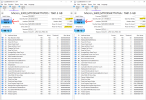
I pulled the SMART values from the 4TB SSD. I don't see a direct readout for wear percentage. Maybe that has to be calculated from the various raw numbers? CrystalDiskInfo does say the health status, which it also calls Remaining Life is is 86%. The Media And Data Integrity Error count is zero, and the amount of data written is 322,600 GB, or 322.6 TB, 80.5 times more than the size of the SSD.over the ~6-month period of 24/7 recording the drive went from 3% wear to 35% wear (as shown by the disks SMART values)

djborden
Getting the hang of it
- Jul 19, 2017
- 56
- 37
I have been running Samsung SSDs in my Blue Iris machines for years and have not had a failure. Their endurance is quite good. I have an 860 Evo that has been powered on for approx 6 years, non stop and has had 470TB written to it and the app still reports the drive is good with no issues.


Machman
n3wb
Put a used 1.6 TB Intel P4610 series SSD in my BI box back in '21. Currently shows 98% drive life remaining with lifetime writes at 295,316 GB. 100% spare, no warnings.
CrazyAsYou
Getting comfortable
yep and I've used many of them over the years, here are a fewMost HD manufacturers have utilities that quiz / test hard drives / SSD's for data failure. It's always worth using the manufacturers SSD tools for maximum transparency.
Samsung Magician Software Download | Consumer Storage | Samsung Semiconductor Global << Samsung Drives
SanDisk SSDs, Memory Cards, and Flash Drives for Your Digital Life | Sandisk << San disk drives and also covers Western Digital drives as WD discontinued WD Dashboard.

Techie007L
Pulling my weight
I've been using SSD and NVMe drives with Blue Iris for years. Probably the oldest one I have in use right now is an 860 EVO 500GB SSD, currently over 7 years uptime, 267 TBW, and reporting a health of 48%. I had older ones but ended up upgrading them to larger units. Can't really complain if they're going to go 10-15 years!

I have ran SSDs as the primary storage space for my NxWitness server for more than 5 years now, no issues whats so ever, and i record 24/7 (not only events or motion), i even overprovisioning the drives a little more to be safe, but still 100% on both drives (Micron 5300/5400). I do think its best to run on mechanical as it wont wear down as SSDs do, but my personal exprience is not as bad as i thought SSDs will wear down.
Attachments
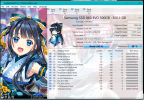
How the hell do you get the regular version LOL, i got some japanese Shitzu version 


Bruce_H
Getting comfortable
You can download the standard version here DownloadHow the hell do you get the regular version LOL, i got some japanese Shitzu version
View attachment 239449